
NEWS
Shock Move: Lula Accepts Flávio Bolsonaro’s Ultimatum to Expose “Who Is Corrupt”

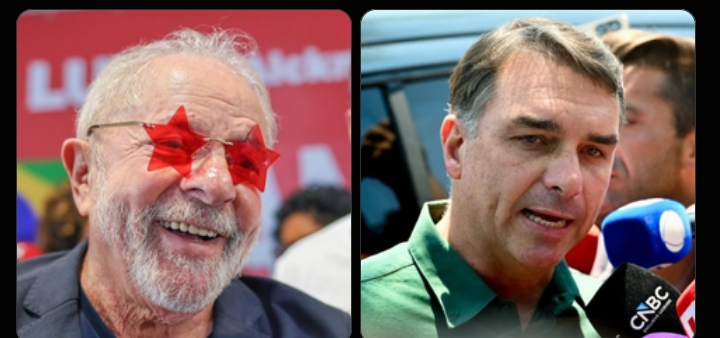
**Shock Move: Lula Accepts Flávio Bolsonaro’s Ultimatum to Expose “Who Is Corrupt”**
In a dramatic escalation of Brazil’s hard-fought presidential runoff, President Luiz Inácio Lula da Silva has accepted the full slate of conditions demanded by his rival, Senator Flávio Bolsonaro, for the mutual release of bank, tax, and telephone records. The move, confirmed by Lula’s campaign coordinator Camilo Santana on October 21, comes just days before the October 25 election and turns a high-stakes transparency challenge into a broader showdown over financial and communications data involving family members, aides, companies, and government records.
The confrontation began during the October 18 Band debate, when Lula publicly dared Flávio to open their personal and family banking, fiscal, and phone records so Brazilians could “see who the thieves and corrupt people really are.” The next day Lula formalized the offer at the Superior Electoral Court (TSE), authorizing the release of eight years of data for himself, First Lady Janja, and his five children—including Fábio Luís (“Lulinha”)—as well as related companies, provided Flávio and his relatives did the same.
Flávio responded on October 21 by accepting the principle of disclosure but expanding the scope dramatically. In a petition to the TSE he authorized twenty years of his own records and those of family members and companies, yet insisted Lula also open the phone, telematic, bank, and tax data of former chief of staff Marco Aurélio Santana Ribeiro (“Marcola”) and other aides who handled presidential calls; the finances of Lula’s sons’ companies and the Instituto Lula dating back to 2003; corporate-card spending since 2023; Janja’s agendas and travel; visitor logs at the Planalto and Alvorada linked to banker Daniel Vorcaro; and related government records.
Lula’s camp moved quickly to accept. Santana told journalists that the president “does not oppose absolutely anything” on Flávio’s list, provided Flávio fulfills his own reciprocal commitments. Campaign sources indicated the formal response would be filed at the TSE, effectively matching the expanded demands and raising the prospect that a far wider set of records could enter the public domain before election day. Lula himself framed the acceptance in campaign-trail language, declaring that Flávio had “trucado” (raised the stakes in a card game) but held only “false cards.”
The exchange unfolds against a backdrop of mutual corruption allegations. Flávio faces investigations tied to alleged financial dealings involving the Banco Master and an offshore company, while Lula’s circle has faced scrutiny over family business activities and the role of close aides. Both sides present the record-release duel as a test of who has “nothing to hide,” yet legal and practical hurdles remain: the TSE must still process the authorizations, third parties must consent, and the volume of data requested may delay any meaningful public disclosure before voters go to the polls.
With the runoff only days away and polls showing a tight race, the mutual acceptance of these expansive conditions injects fresh uncertainty into the final stretch of the campaign. Whether the records ultimately surface in time to influence voters—or whether the duel remains largely symbolic—will depend on the speed of judicial handling and the willingness of the named individuals and entities to cooperate. For now, both candidates have publicly committed to a level of transparency rarely seen in Brazilian presidential politics, turning the question of “who is corrupt” into the central drama of the closing days.

After the Long Wait, Taylor Swift Finally Reveals 7 Never-Before-Seen Photos and 1 Video From Her Star-Studded MSG Wedding to Travis Kelce! Fans Can’t Stop Rewatching the Video ⤵️

🚨🎤 JIMMY FALLON’S WEDDING QUESTION SPARKS A DRAMATIC TWIST! Taylor Swift & Travis Kelce’s Interview Takes a Turn Nobody Expected! 😳👇

Disgusting!” Taylor Swift and Travis Kelce’s Viral Beach Photo Sparks Fierce Fan War as Body-Shaming Backlash Debate Takes Over Social Media….

We have sad news, you cana find out the details in the comments 👇👇

5 MINUTES AGO: Palace CONFIRMS Tragic News About King Charles Health: “We are deeply saddened to inform you…” (For Full Information, Check Link In Comment👇🏻👇🏻)

🚨😱 CAUGHT ON CAMERA IN FRANCE?! Ferran Torres and Sydney Sweeney Spark MASSIVE Romance Rumors After Intimate Boat Outing — One Unexpected Moment Has Fans STUNNED! 🚤🔥👀

Travis Kelce In a bombshell, uncensored interview, Travis Kelce didn’t mince words, calling Don@ld T.r.u.m.p“a self-serving showman” and issuing a blunt warning to the country:Wake up before it’s too late.”“He’s exactly why constitutional safeguards and accountability exist.”

North Korean leader Kim Jong Un has selected his daughter as his heir, South Korea’s spy agency has told lawmakers. Find out more about who she is:

🚨❤️ BREAKING NEWS: Kansas City Chiefs Head Coach Andy Reid and Wife Tammy Reid’s Surprise Baby Announcement Sends Chiefs Kingdom Into an Emotional Frenzy Read now:
JUST IN; A war crimes complaint has been filed at the International Criminal Court in The Hague against the United States President Donald Trump due to actions in Iran See details below 👇🏻

JUST IN: Taylor Swift weighs in on the Jimmy Kimmel–Melania Trump controversy, defending the ABC host after his widow joke following the White House Correspondents’ Dinner shooting See details below 👇🏻
