
NEWS
Iranian Nuclear Network Dismantled — 14 Front Companies, 847 Shipments, 7 Days Stopped

The paperwork appeared ordinary. A U.S. manufacturer had received an order from a Chinese trading company for specialized industrial equipment. The items were described as components used in chemical processing systems. The buyer’s credentials checked out on the surface, and the payment terms were competitive. To the sales department, it was a standard international transaction.
But the equipment was anything but standard.
According to federal investigators, the components were high-speed centrifuge parts — the same class of technology used in uranium enrichment systems. While many such parts have legitimate civilian applications, they can also be integrated into nuclear fuel cycle operations. Intelligence later revealed that the Chinese trading firm was allegedly acting as a front for procurement agents linked to Iran’s Islamic Revolutionary Guard Corps (IRGC).
The case did not begin in Ohio. It began with suspicion.
In March 2022, a compliance manager at a Pennsylvania precision manufacturing firm noticed an unusual change in shipping instructions from a long-standing Chinese customer. For years, shipments had been sent to an industrial park in Guangzhou. Suddenly, the customer requested rerouting through a freight forwarder in Dubai — a jurisdiction frequently flagged in sanctions-evasion investigations.
The compliance team conducted deeper due diligence. Corporate registration documents contained inconsistencies. Listed facilities appeared nonexistent. The company’s website showed stock imagery rather than verifiable operations. Instead of proceeding, the firm reported its concerns to the Commerce Department’s Bureau of Industry and Security.
That report triggered a joint federal inquiry.
FBI and Commerce investigators traced the Chinese firm’s ownership through a maze of shell corporations in Hong Kong, Singapore, and the United Arab Emirates. Nominee directors and layered trusts obscured the ultimate beneficiaries. Financial intelligence analysis eventually linked funding streams to entities sanctioned for supporting Iran’s nuclear program.
What emerged was not a single suspicious transaction, but a procurement architecture.
Investigators identified 14 Chinese-based front companies established within a five-year window. Each purchased dual-use technologies — vacuum pumps, precision bearings, high-strength aluminum alloys, and electronic control systems. Individually, these items had legitimate industrial purposes. Collectively, they could support uranium enrichment infrastructure.
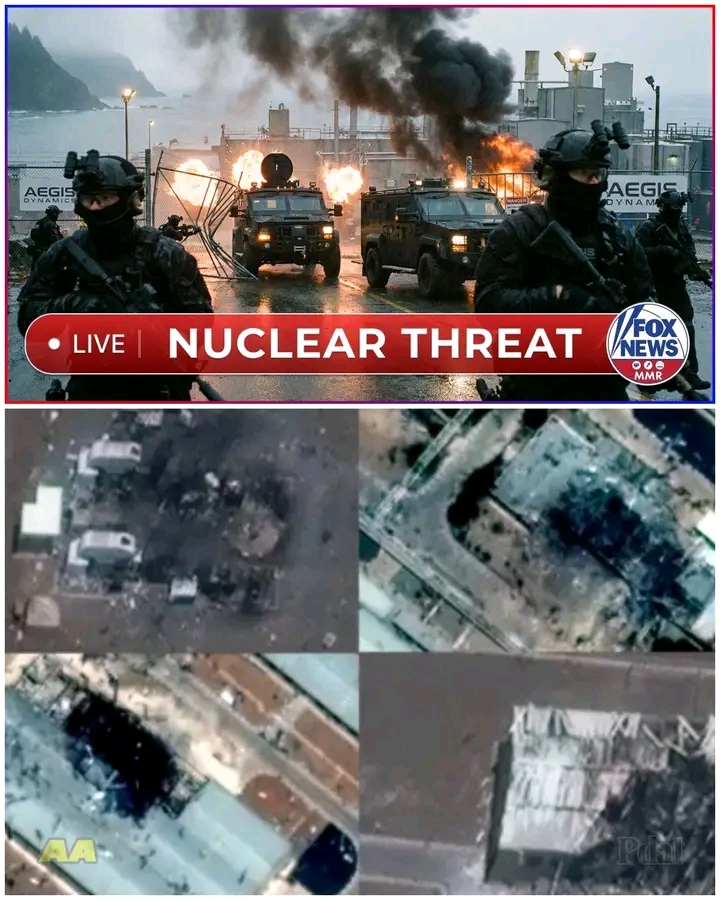
Satellite photos capture Iranian activity at nuclear sites bombed by US, Israel | Fox News
The procurement pattern was deliberate. Rather than purchasing complete systems that would trigger automatic export review, the network ordered individual components below certain regulatory thresholds. Payments were routed through intermediary banks and obscure financial institutions. Shipments transited through Dubai and Malaysia before continuing onward.
Over 22 months, federal authorities documented 847 shipments valued at approximately $340 million. Sixty-seven American manufacturers across 23 states had unknowingly supplied components to the network.
Investigators allege that the IRGC’s “self-sufficiency” division coordinated the effort. Eight officers, operating from China, Malaysia, Turkey, and the UAE, managed supplier relationships and financial channels. Intelligence assessments suggested that previously acquired components had already enhanced Iran’s centrifuge efficiency and expanded production capacity.

Z ostatniej chwili: „PIERWSZY W HISTORII TENISISTKA, KTÓRA OTRZYMAŁA CAŁĄ BRĄZOWĄ STATUĘ W HOLLYWOOD WALK OF FAME — A NAZYWA SIĘ Iga Świątek. Nikt nie przechodzi obok pomnika i nie milczy. Hollywood Boulevard zatrzymał się tego dnia. Nie na premierę filmową. Nie dla celebryty. Jak na dziewczynę trzymającą rakietę tenisową – odlaną z brązu, z podniesioną ręką, z charakterystycznym spokojnym i skupionym uśmiechem. Iga Świątek nie tylko dostała gwiazdę na ziemię. Stała się jedną z nielicznych zawodniczek sportowych, które mogły tam stać, całe ciało, uwiecznione w metalu. Statua ukazuje coś prawdziwego – nie tylko jej zwycięstwa, ale także spokój i determinację, jaką on niesie…👇
SZOKUJĄCY: „Jestem dumny ze swojego kraju i nikt nie ma prawa go deptać”. Iga Świątek odebrała Lesley Stahl mowę, a cała sala wybuchła wiwatami po jej brutalnie ostrej odpowiedzi. Lesley poczyniła drwiące uwagi na temat pochodzenia Igi, mówiąc: „Prędzej czy później opuścisz ten biedny kraj i i tak będziesz ubiegać się o obywatelstwo amerykańskie”. Przedstawiła Igę i jej rodzinę jako chciwych ludzi trzymających się Stanów Zjednoczonych. Iga odpowiedziała ostro, bo to sprawa honoru i poważna obraza jej kraju. Spokojne, niezachwiane, ostre jak brzytwa i intensywne, 30-sekundowe oświadczenie Igi przekreśliło linię i całkowicie zmieniło nastawienie wielu ludzi, pozostawiając Lesley całkowicie upokorzoną…👇

💥Ochroniarze próbowali go zatrzymać, ale Iga Świątek pokręciła głową i powiedziała: „Niech podejdzie bliżej”. Mężczyzna w znoszonych tenisówkach i wyblakłej czapce z daszkiem próbował przekazać odręczną notatkę, podczas gdy Iga Świątek rozmawiała z fanami na spotkaniu. Ochrona natychmiast interweniowała, obawiając się potencjalnego zagrożenia. Ale prostym, spokojnym gestem Iga dała jasno do zrozumienia, że chce słuchać. Zatem mężczyzna został przepuszczony. To, co wydarzyło się później, sprawiło, że wszyscy zaniemówili i głęboko poruszyło wielu obecnych…👇
Sąd podjął decyzję. Stało się najgorsze dla Kaczyńskiego
Aż trudno uwierzyć 😱
Wszystko się nagrało, Polacy nie mogą uwierzyć
Cała Polska to widziała 🤔
— Wrócić mógłbym tylko jako trener mojej córki. Idze mogę podpowiedzieć świetnego trenera — mówi Piotr Woźniacki w rozmowie z Łukaszem Jachimiakiem z serwisu Sport.pl. Ojciec Caroline w ostatnich dniach nieoficjalnie był wskazywany jako możliwy następca Wima Fissette’a. Stawia on jednak sprawę bardzo jasno i nie pozostawia żadnych wątpliwości. 🟥 Link w komentarzu👇
Rozstanie Igi Świątek z Wimem Fissettem sprawiło, że niemal natychmiast ruszyła giełda nazwisk dotycząca nowego trenera polskiej tenisistki. Wśród nich pojawia się jedno, o którym marzą nie tylko kibice. — To Tomasz Wiktorowski — mówi Żelisław Żyżyński z Canal+ Sport. Ale pojawia się problem i nie chodzi tylko o rozstanie z Naomi Osaką. 🟥 Link w komentarzu👇
To już pewne! Wim Fissette przestał być trenerem Igi Świątek. W ostatnich dniach pojawiły się jednak nieoficjalne doniesienia, że zastąpić ma go Piotr Woźniacki. Sztab trzeciej rakiety świata błyskawicznie zdementował te wieści. — Decyzje personalne będzie jak zawsze komunikowała sama Iga w odpowiednim czasie — przekazuje PR managerka Daria Sulgostowska. 🟥 Link w komentarzu👇
Wim Fissette oficjalnie nie jest już trenerem Igi Świątek. Belg bardzo szybko zareagował na te wieści i przekazał kilka słów od siebie w mediach społecznościowych. “Oboje pragnęliśmy więcej i ciężko na to pracowaliśmy, ale dzieliliśmy też ważne chwile i doświadczenia” — pisze Belg. Tak zwrócił się też do polskich fanów. 🟥 Link w komentarzu👇
