
NEWS
5. 🚨 “We Would Wipe Moscow Off the Map!” Theo Francken’s Explosive Remarks Spark Russian Backlash!

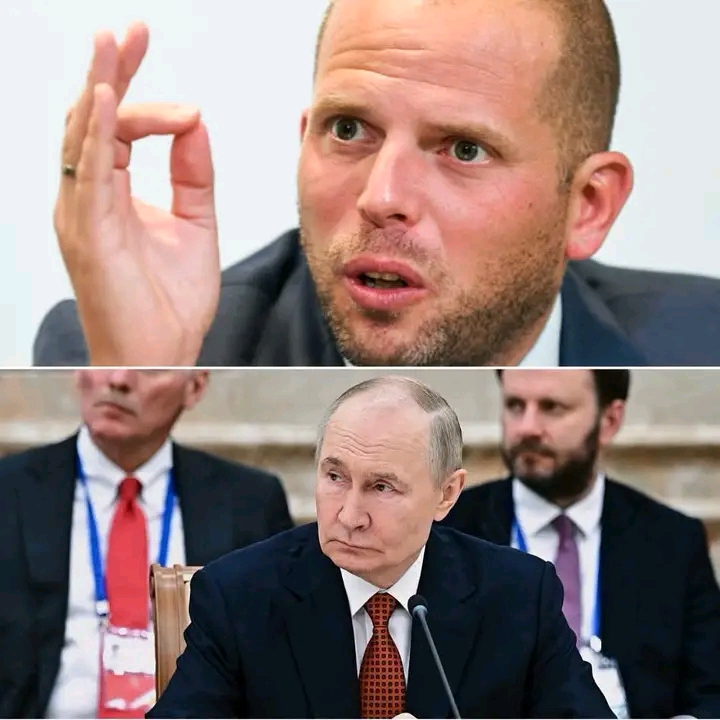
🚨 “We Would Wipe Moscow Off the Map!” Theo Francken’s Explosive Remarks Spark Russian Backlash!
Tensions between Russia and NATO have drawn fresh attention following a reported statement by Belgian Defence Minister Theo Francken, who issued a stark warning about the consequences of a potential Russian missile attack on Brussels. According to reports about an interview with Belgian newspaper De Morgen, Francken said that if Moscow launched a conventional missile strike against the Belgian capital, the response would be devastating. His reported words, “We would wipe Moscow off the map,” quickly became the focus of debate over European security and the growing tensions between Russia and Western countries.
Francken’s remarks were reportedly made in response to a question about whether he feared Russian President Vladimir Putin might target Brussels with a conventional missile. The Belgian minister reportedly dismissed the likelihood of such an attack, arguing that Brussels holds particular significance because it is home to key NATO institutions. He emphasized that striking the Belgian capital would mean attacking the heart of the military alliance, potentially triggering a much broader confrontation.
At the centre of the discussion is Article 5 of NATO’s founding treaty, which establishes the principle of collective defence. Under this provision, an armed attack against one member is considered an attack against all members. However, Article 5 does not automatically require every ally to launch the same military response. Each member determines what action it considers necessary, which may include military force or other measures. Nevertheless, a direct attack on a NATO member could create a serious international crisis with consequences far beyond the country initially targeted.
Beyond the possibility of a conventional missile attack, Francken reportedly expressed concern about Russia’s military capabilities and the threat of so-called grey-zone activities. These include cyberattacks, sabotage, disinformation and other forms of hybrid warfare that can undermine national security without triggering an obvious conventional military confrontation. He also urged European countries to strengthen their defence capabilities and accelerate military investment, warning against underestimating Russia’s capacity to produce and sustain military equipment.
Francken’s reported comments also drew criticism from the Russian Embassy in Belgium, which described the remarks as provocative and irresponsible. The minister subsequently argued that his words had been taken partly out of context, reiterating that NATO is a defensive alliance intended to prevent war through deterrence. The exchange highlights the difficult balance European leaders face as they attempt to communicate military strength while avoiding rhetoric that could deepen an already dangerous confrontation.
As European governments continue to debate defence spending and security preparations, Francken’s statement has raised a broader question about whether forceful warnings can prevent conflict or make diplomatic relations more fragile. Supporters of deterrence argue that clearly communicating the consequences of an attack can discourage aggression, while critics warn that inflammatory language can increase mistrust between nuclear-armed powers. For now, the reported statement should be understood as a warning attributed to the Belgian defence minister, not an announcement of an actual plan to attack Moscow. Do you think such strong warnings help maintain peace, or could they push Russia and NATO closer to a dangerous confrontation? Share your thoughts in the comments.

We have sad news, you cana find out the details in the comments 👇👇

5 MINUTES AGO: Palace CONFIRMS Tragic News About King Charles Health: “We are deeply saddened to inform you…” (For Full Information, Check Link In Comment👇🏻👇🏻)

🚨😱 CAUGHT ON CAMERA IN FRANCE?! Ferran Torres and Sydney Sweeney Spark MASSIVE Romance Rumors After Intimate Boat Outing — One Unexpected Moment Has Fans STUNNED! 🚤🔥👀

Travis Kelce In a bombshell, uncensored interview, Travis Kelce didn’t mince words, calling Don@ld T.r.u.m.p“a self-serving showman” and issuing a blunt warning to the country:Wake up before it’s too late.”“He’s exactly why constitutional safeguards and accountability exist.”

North Korean leader Kim Jong Un has selected his daughter as his heir, South Korea’s spy agency has told lawmakers. Find out more about who she is:

🚨❤️ BREAKING NEWS: Kansas City Chiefs Head Coach Andy Reid and Wife Tammy Reid’s Surprise Baby Announcement Sends Chiefs Kingdom Into an Emotional Frenzy Read now:
JUST IN; A war crimes complaint has been filed at the International Criminal Court in The Hague against the United States President Donald Trump due to actions in Iran See details below 👇🏻

JUST IN: Taylor Swift weighs in on the Jimmy Kimmel–Melania Trump controversy, defending the ABC host after his widow joke following the White House Correspondents’ Dinner shooting See details below 👇🏻

*AN UNFORGETTABLE MOMENT.** Last night, Taylor Swift — longtime partner and biggest supporter of Travis Kelce — stepped onto the stage to present a very special birthday gift for him. It wasn’t a typical performance, but a song prepared as a deeply personal tribute, leaving the entire audience in emotional silence. READ MORE:

“NO ONE SAW THIS COMING—THE DOCTOR HAS CONFIRMED THAT SHE…” 😢💔 Just 10 minutes ago, Taylor Swift left fans in shock as she shared heartbreaking words, her voice thick with emotion. With an unfinished sentence, eyes brimming with feeling, and a message that has left her audience deeply concerned… 🥀🕊️👇

🚨BREAKING NEWS: Taylor Swift Sparks Nationwide Debate After Criticizing Trump Over U.S. Military Policies Full story below👇👇👇
